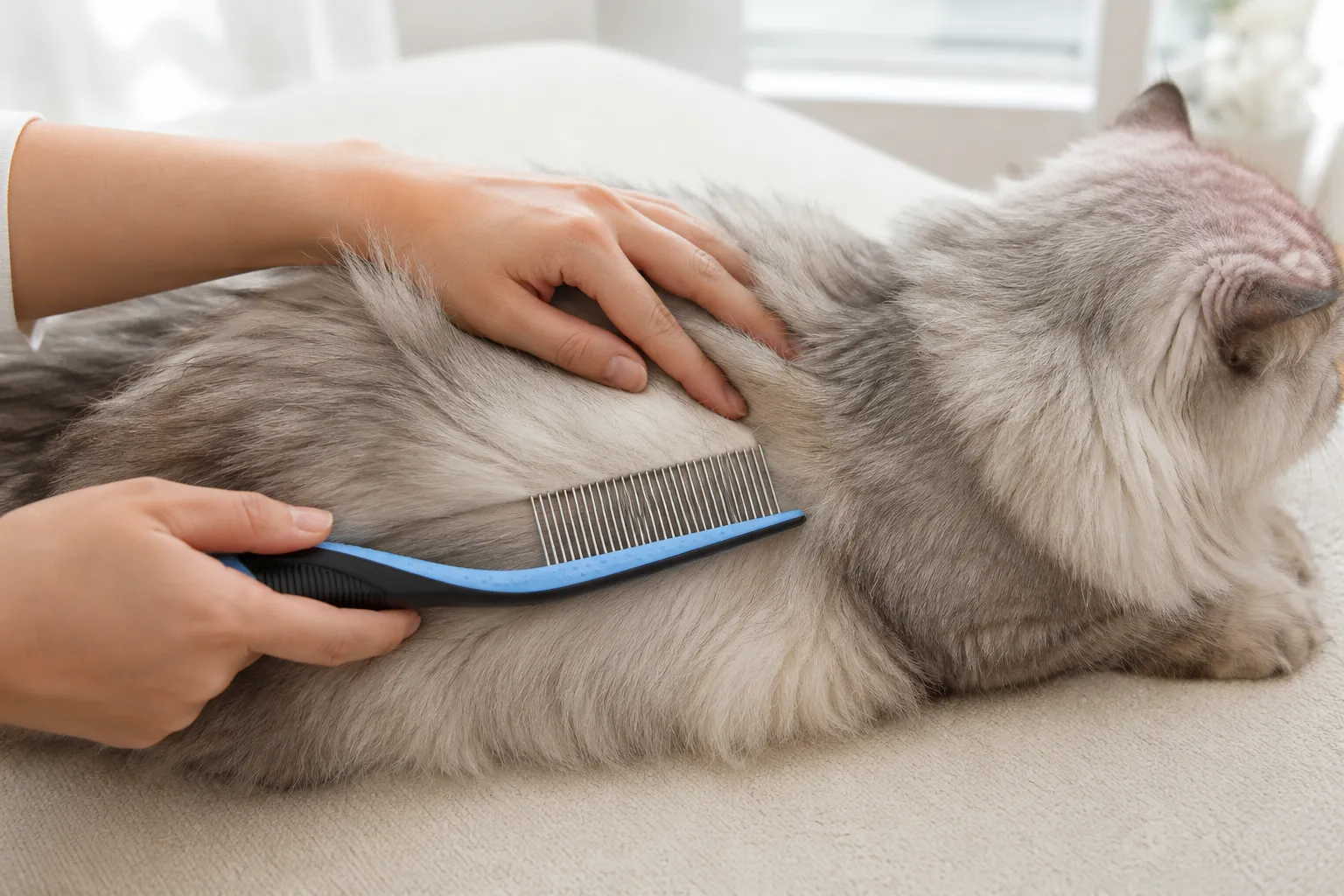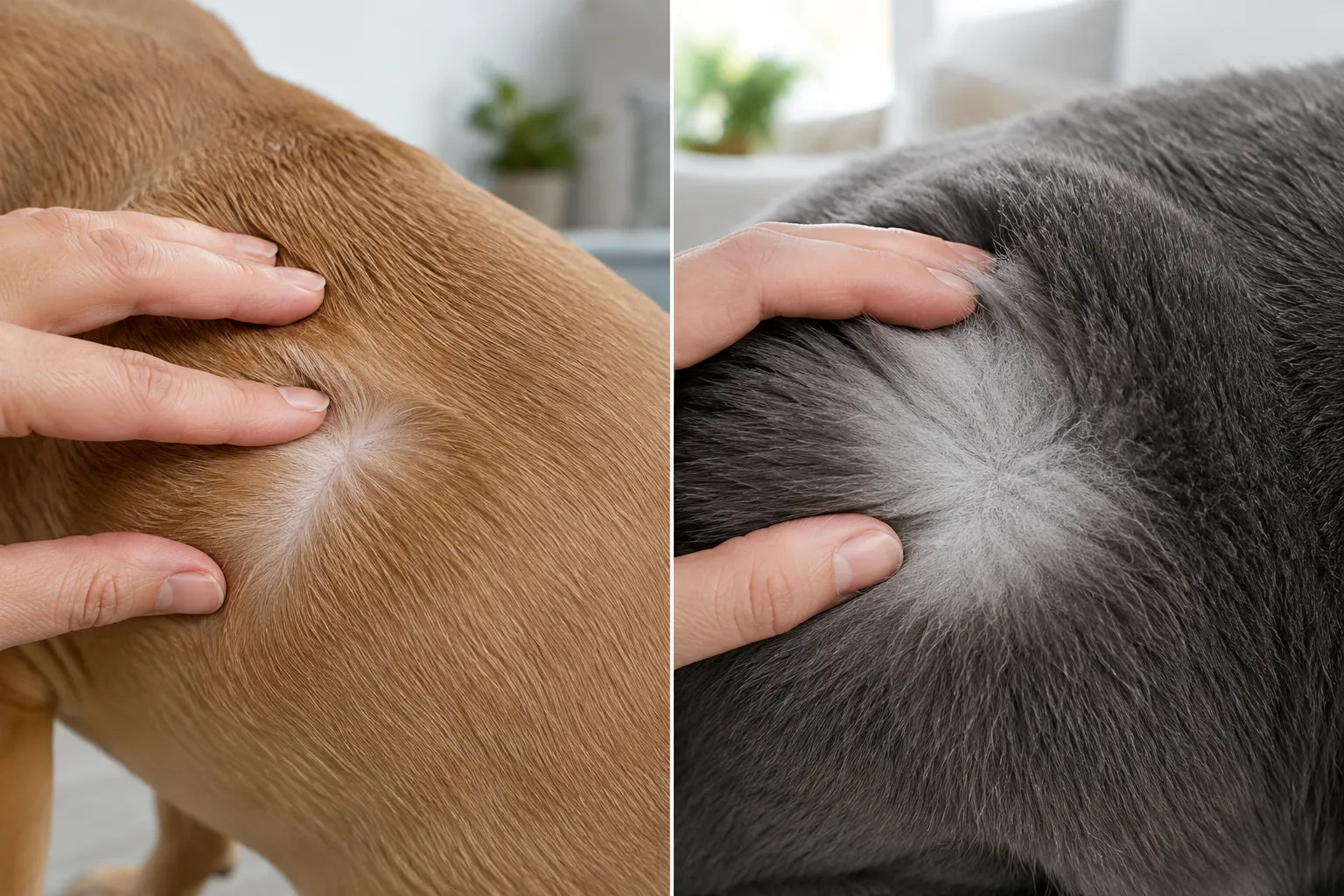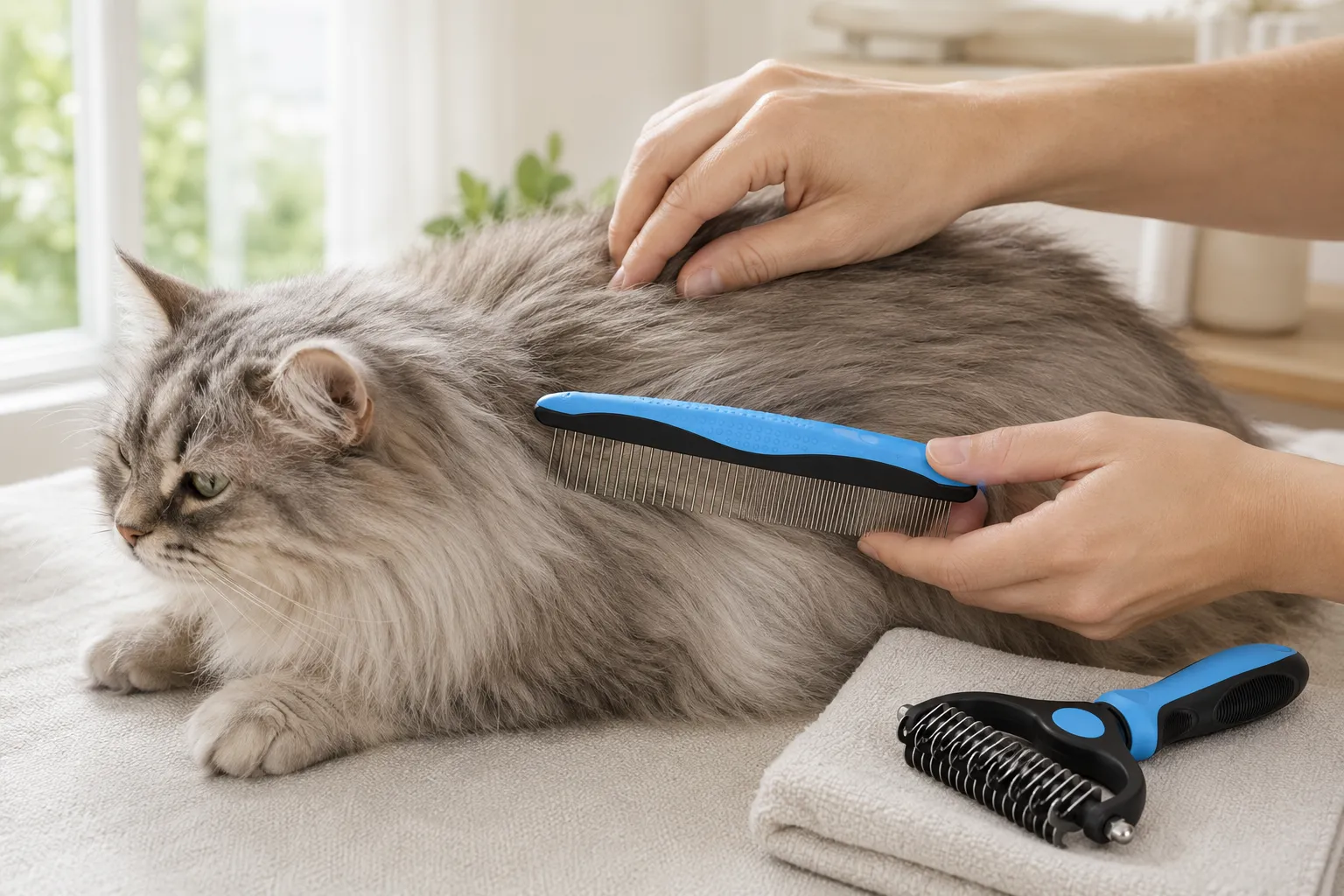
Yes, some cats may be suitable for an undercoat rake—but not every cat. Coat density, loose undercoat, skin condition, body area, and behavior matter more than the product label.
Quick Answer: You may be able to use an undercoat rake on a cat with a medium or long, dense coat and loose undercoat, provided the skin looks normal, the coat is free of tight mats, and the cat remains relaxed. Start with a metal comb, then use the deshedding side only on a broad, well-coated body section with very light, controlled strokes in the direction of hair growth. Do not use the rake on sensitive areas, abnormal skin, or a mat close to the skin. Stop if the tool catches or the cat shows discomfort.
A long coat alone does not prove that a rake is suitable.
Qualified Answer: Some Cats, Not Every Cat
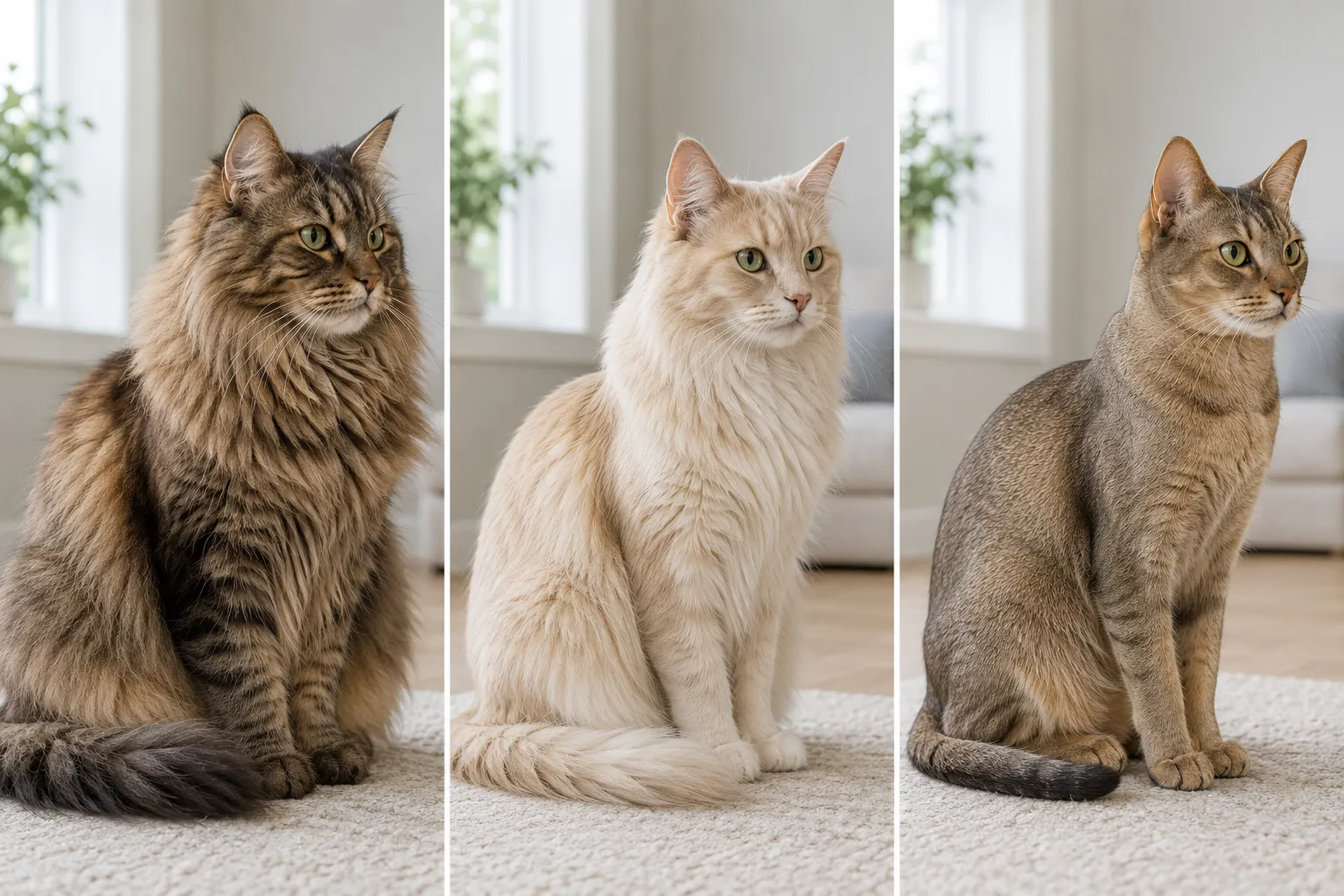
Cat coats differ in texture, density, and undercoat volume, so two long-haired cats may need different tools.
A rake may be worth considering when:
- the cat has a substantial soft undercoat;
- loose hair is already releasing beneath the outer coat;
- the coat is deep enough to cushion the metal teeth;
- the working area is broad and well coated;
- no tight mat is present;
- the cat tolerates gentle handling.
The rake is optional. Some cats need mainly combing, while others may benefit from selective loose-undercoat removal. A short or sparse coat may not suit a general dual-sided rake even when the cat sheds.
Check the Coat With the Metal Comb First
Use the metal comb as the first checkpoint. Begin with the wider-spaced teeth on one small, visible section and stop when the comb catches.
The comb can help distinguish:
- soft loose hair that comes away while the coat remains flexible;
- one localized manageable tangle;
- broad resistance or a dense mat;
- a section where the rake would be too large or direct.
Use the finer comb section only after the wider teeth pass freely.
The included Docrok comb may be the better choice when the coat is fine, little loose undercoat is present, or the cat tolerates it better. Do not force it through resistance.
When the 17-Tooth Side May Be Useful
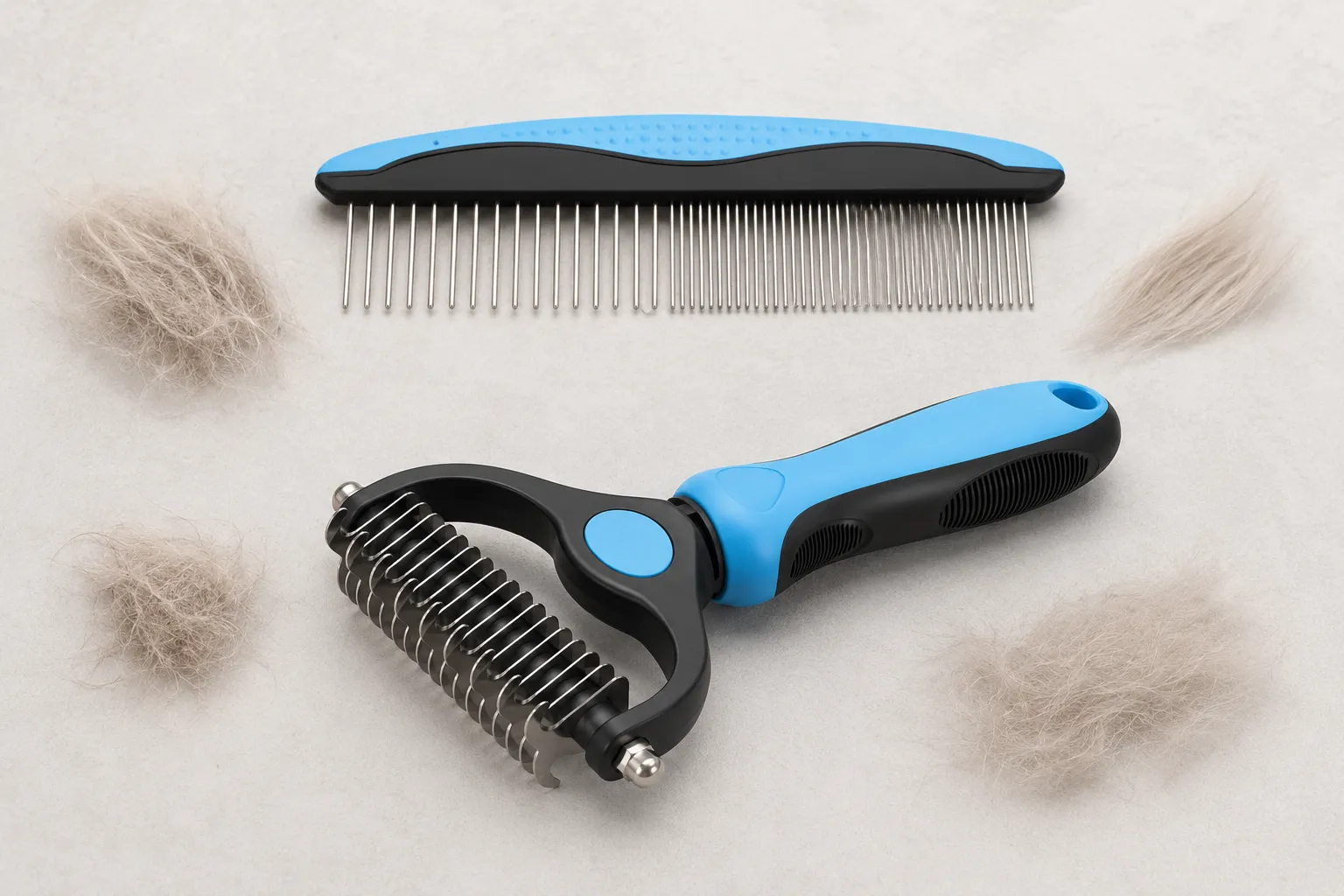
According to the Amazon seller’s product information, the dense side is intended for deshedding. Project photographs confirm that this is the 17-tooth side.
It may be considered only when loose undercoat is present, the section is tangle-free, the coat is dense enough, the skin looks normal, the body area is broad, and the cat remains relaxed.
Use very light, controlled strokes with hair growth and reassess before continuing. Do not use the 17-tooth side through a mat or in every session by default.
When the 9-Tooth Side May Be Considered
The seller assigns the wider side to mats and tangles, while project photographs confirm that this is the 9-tooth side.
Limit it to a small tangle whose edge separates gently, with visible skin, a controllable tool path, and a comfortable cat.
Do not use it on a dense, painful, widespread, or skin-level mat. Do not use either rake side on the face, ears, paws, between the toes, armpits, belly, groin, genital area, thinly coated areas, or abnormal skin.
These areas may need inspection, but not rake use. Tight skin-level mats need professional assessment rather than stronger pulling, scissors, bathing first, or restraint.
Cat Behavior and Session Limits
The cat must also tolerate the tool. Start when the cat is relaxed and able to leave, and watch for:
- tail twitching or swishing;
- ears moving back;
- dilated pupils;
- body tension;
- turning toward the tool;
- trying to move away.
Stop at the early signs. Do not hold down, pin, or scruff a resisting cat. A quiet cat is not necessarily comfortable, so body tension, eyes, ears, and tail still matter.
Cats for Whom the Rake May Not Be Appropriate
Skip the rake when the cat has:
- a very short or sparse coat;
- fine hair that repeatedly snags;
- little obvious undercoat;
- irritated, painful, wounded, or abnormal skin;
- dense or widespread matting;
- a coat where the teeth reach the skin too directly;
- strong discomfort with the tool;
- reduced mobility or a sudden decline in self-grooming.
Use a professional groomer for widespread, pelted, difficult, or skin-level mats. Contact a veterinarian for pain, abnormal skin, sudden coat changes, or possible sedation needs.
You can view the Docrok grooming brush and metal comb combo to see how the comb, 9-tooth side, and 17-tooth side are arranged.
Final Takeaway
Some dense medium- or long-haired cats may suit an undercoat rake, but it should remain optional. Start with the comb, use each rake side only for its intended coat problem, and stop at early discomfort.
As an Amazon Associate I earn from qualifying purchases.
Sources
- VCA Animal Hospitals — Grooming and Coat Care for Your Cat
- VCA Animal Hospitals — How to Groom a Long-Haired Cat
- Blue Cross — How to Groom Your Cat
- RSPCA — How and Why to Groom Your Cat
- Cat Friendly Homes — Grooming Tools and Essentials for Your Cat
- International Cat Care — Handling and Interactions
- Amazon — Docrok Pet Grooming Combo